

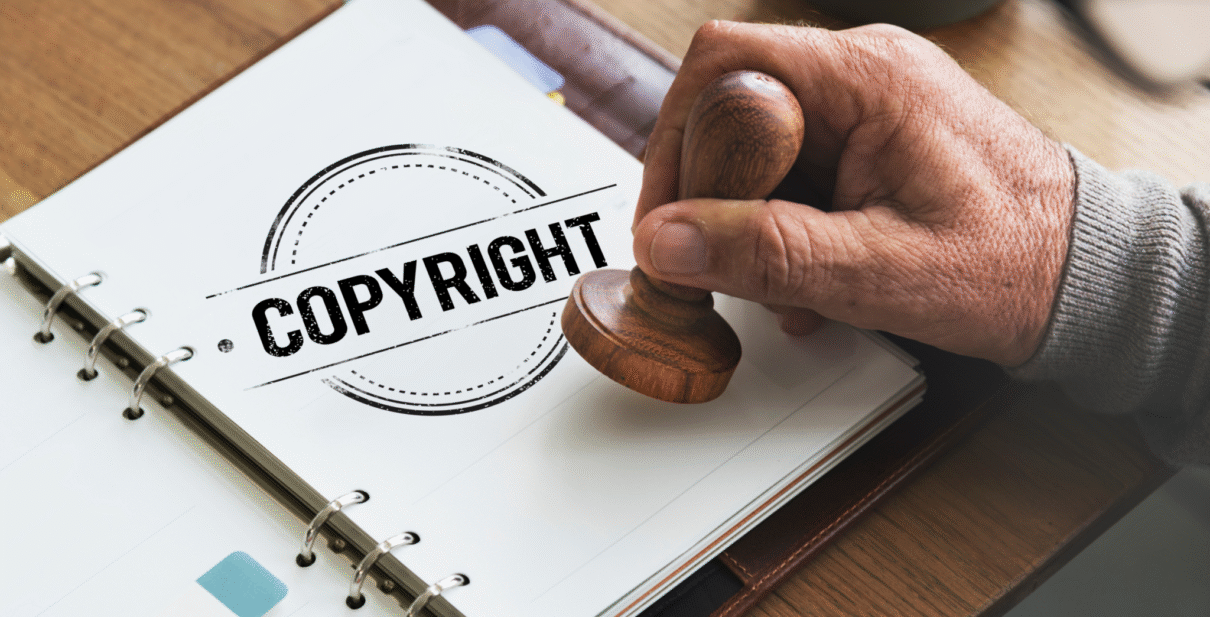
In a world where creative ideas travel at lightning speed, originality has become priceless. Every writer, developer, artist, filmmaker, and designer invests significant effort to bring ideas to life. Yet without proper legal protection, those ideas can be misused, copied, or claimed by someone else. Copyright registration acts like a legal shield, ensuring your work remains yours and that you receive rightful recognition and advantage from it.
This guide outlines the value of copyright, eligible works, the registration process, common errors to avoid, and answers to frequent questions.
What Is Copyright and Why It Matters
Copyright is a form of intellectual property protection granted to creators of original works. It provides exclusive rights to use, reproduce, publish, and distribute the work. Simply put, copyright ensures your creative output cannot be used without permission.
Why Copyright Is Important
Copyright registration strengthens your creative rights and supports long-term value creation.
Key advantages include:
- Legal protection against unauthorized use
- Official proof of ownership for legal disputes
- Financial value and commercial rights
- Confidence and advantage during licensing or commercial agreements
- Encouragement for innovation across industries
Copyright gives creators confidence to contribute original ideas, strengthening the creative economy.
Types of Works Eligible for Copyright Protection
Different forms of creative output qualify for copyright. Below are the key categories:
1. Literary Works
Books, articles, blogs, scripts, manuals, journals, poems, and written compositions fall under this category.
2. Artistic Works
Paintings, logos, sketches, photographs, sculptures, digital designs, and any visual creation qualify for protection.
3. Musical and Dramatic Works
Songs, background scores, lyrics, compositions, drama scripts, and theatrical works can be protected under copyright.
4. Films and Audio-Visual Creations
Movies, short-films, advertisements, documentaries, animations and web-based audio-visual content can be registered.
5. Software and Computer Programs
Applications, coding scripts, and software systems can be protected to prevent unauthorized reproduction or reverse engineering.
6. Databases and Compilations
Databases with structured and original arrangement or compilation efforts also fall within copyright rights.
How to Register Copyright – Step by Step
While copyright arises the moment a work is created, formal registration strengthens your ownership and legal standing. Below is the complete process:
Step 1: Identify the Work
Determine the correct category for your creation, such as literary, artistic, software, or audio-visual work.
Step 2: Prepare Documentation
Collect the necessary documents, which typically include:
- Completed registration form
- Copy of the original work
- Identity details of the creator
- Drafts or proof of authorship, if applicable
Organizing documents early reduces processing delays.
Step 3: Submit the Application Online
Visit the authorized copyright office portal and fill out the form. Include clear information such as:
- Title of work
- Category
- Year of creation
- Purpose and type of work
Attach all supporting files as required.
Step 4: Pay Applicable Fees
Pay the prescribed fee based on the nature of the work. Retain the payment receipt for reference.
Step 5: Acknowledgment and Review
Once submitted, an acknowledgment number is generated. The copyright office reviews details and may request clarification or conduct a hearing, if needed.
Step 6: Examination
The copyright office examines originality and eligibility. Any objections or conflicts, if found, must be addressed by the applicant.
Step 7: Certificate Issued
Upon successful review, a copyright registration certificate is issued, confirming legal ownership.
Processing time varies by region and complexity but generally ranges between a few months.
Mistakes to Avoid During Copyright Registration
A few common errors can delay or even reject applications. Avoid the following:
1. Incomplete or Incorrect Information
Incorrect spelling, missing details or mismatched information often lead to delays or rejection.
2. Inability to Prove Originality
Work must be original. If similarity is detected with existing content, registration may not proceed.
3. Missing Documentation
Incomplete supporting documents or proof of authorship can impact review stage.
4. Waiting Too Long to Register
Creators sometimes delay registration, exposing their work to misuse. Early filing secures rights faster.
Frequently Asked Questions (FAQs)
Q1. Is copyright registration mandatory?
No. Copyright exists automatically upon creation in many jurisdictions. However, registration provides official proof and legal strength.
Q2. How long does copyright last?
Generally, copyright lasts for the creator’s lifetime plus 50 to 70 years, depending on the country.
Q3. Can jointly created works be registered?
Yes. Co-creators can register jointly unless otherwise defined in a written agreement.
Q4. What types of work cannot be copyrighted?
Ideas, processes, and facts cannot be copyrighted. Copyright applies to expression of ideas, not ideas themselves.
Q5. Does registration cover international protection?
Copyright is territorial, but treaties like the Berne Convention provide protection across member countries.
Q6. Does copyright prevent plagiarism completely?
While it does not eliminate plagiarism, it provides the right to take action against unauthorized usage.
Final Thoughts
Creative ideas carry value and deserve structured protection. Copyright registration helps secure your intellectual assets, provides legal support and strengthens commercial potential. Following a proper process and avoiding common errors ensures that your work remains safe and recognized.
If you are planning to register your creative work or need guidance through the process, expert assistance can simplify and fast-track the journey.
Connect with VJN-Associates to initiate your copyright protection process and safeguard your original creations with clarity and confidence.